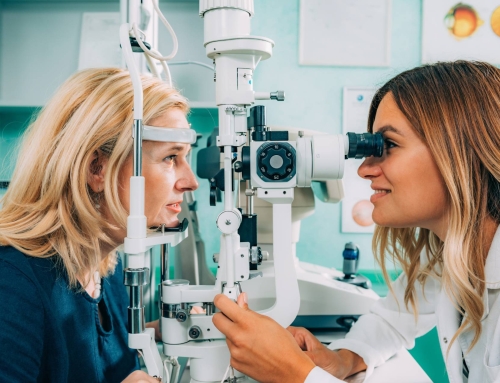
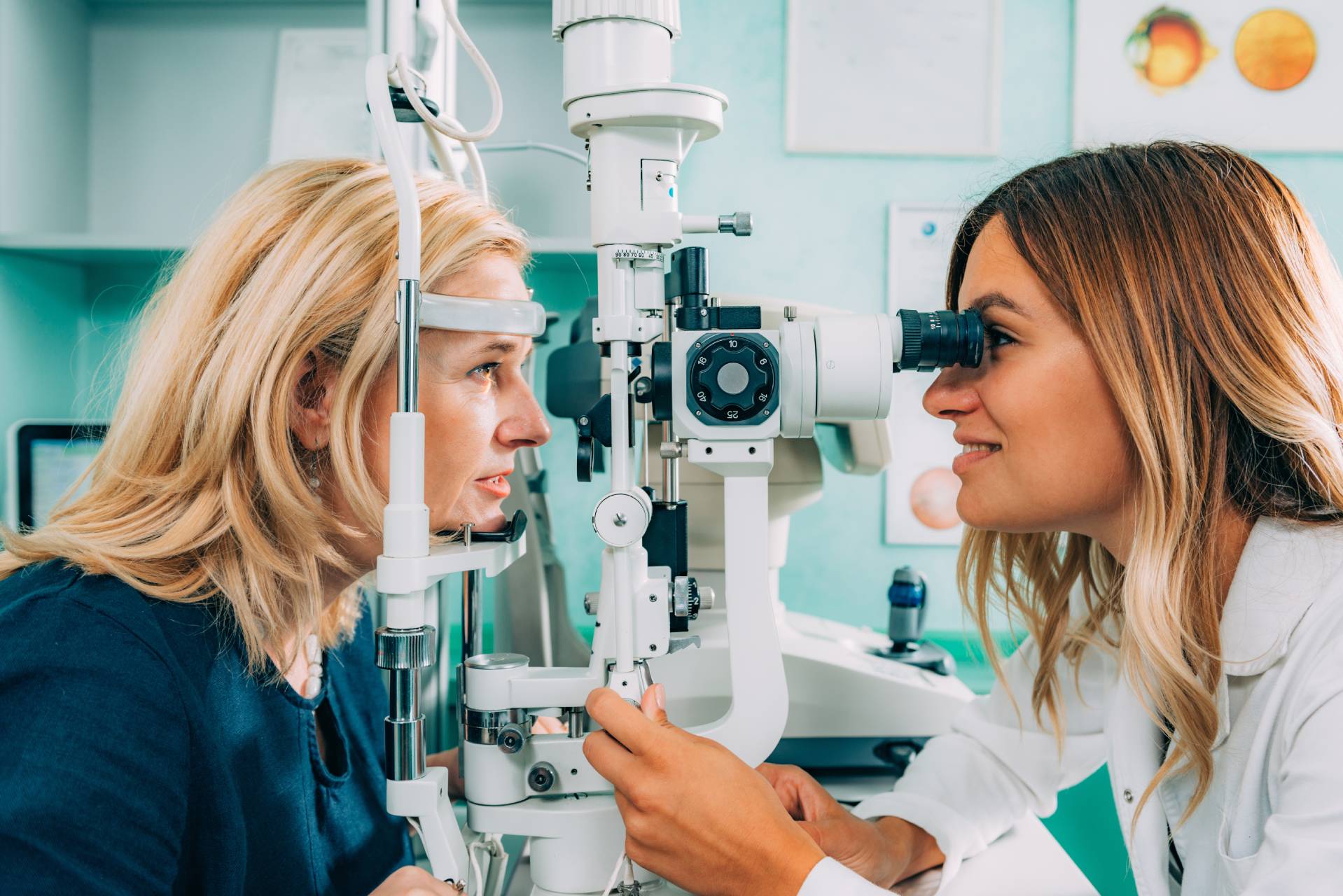
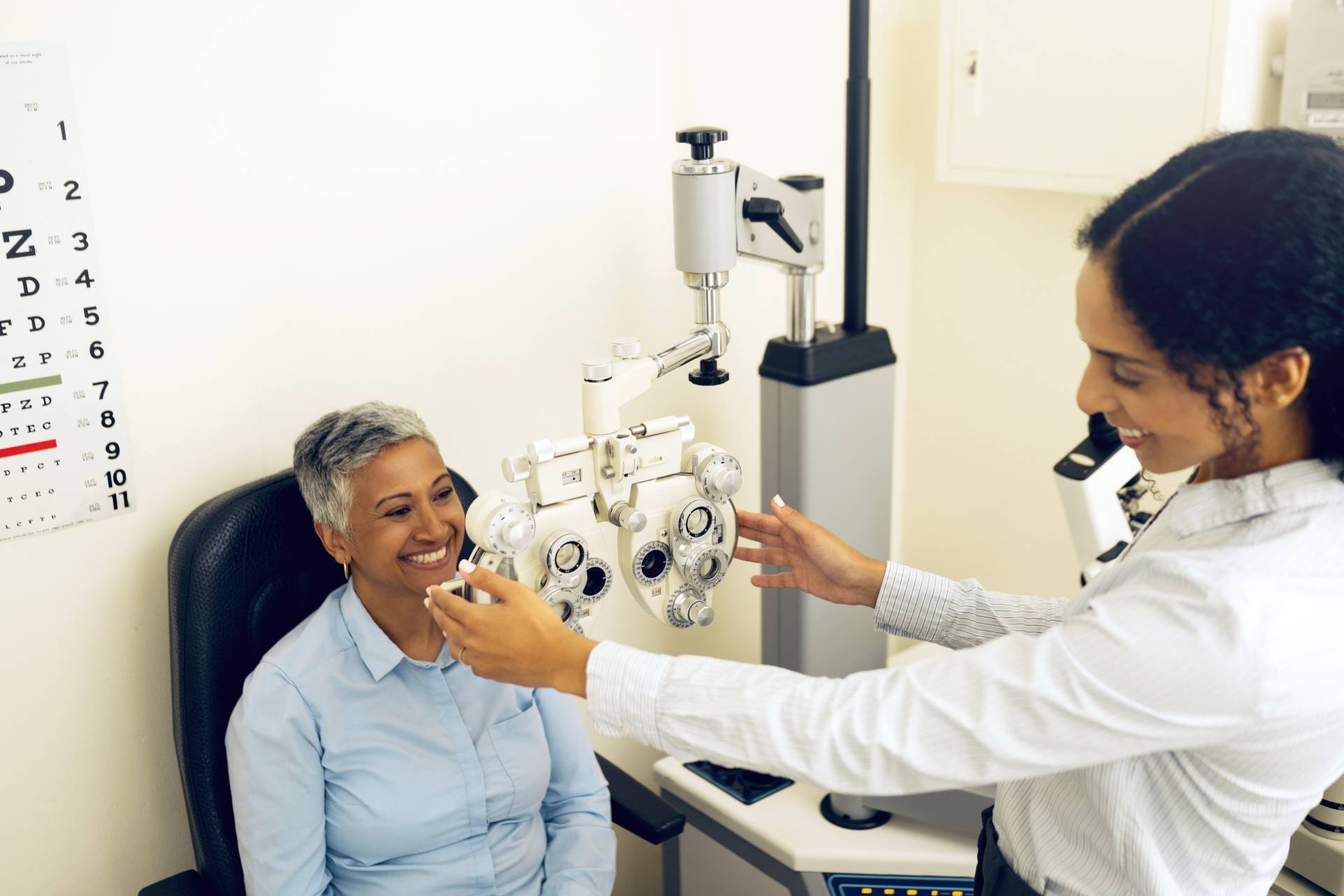
When most people think of an eye exam, they picture a check for glasses or contact lenses. While that’s certainly part of the process, your eyes reveal far more than your prescription. The eyes provide a unique view of blood vessels, nerves, and other structures that can offer early signs of health conditions. In this way, eye care and primary care go hand in hand—creating a bridge between what your optometrist sees and what your family doctor manages.
Why Your Eyes Reveal More Than You Think
The eye is the only place in the body where a doctor can see blood vessels and nerves directly, without surgery. During a comprehensive eye exam, optometrists look closely at the retina, optic nerve, and blood supply to the eye. Changes in these areas can sometimes reflect larger issues in the body, ranging from circulation problems to systemic conditions that may require follow-up with a family doctor.
Because many of these issues begin quietly, regular eye checkups often act as an early-warning system. An optometrist can notice subtle shifts before you feel any symptoms, helping your broader healthcare team stay ahead of potential concerns.
Eye Exams as a Complement to Primary Care
Primary care providers focus on overall wellness. Meanwhile, optometrists focus on visual function and ocular health. When the two work in tandem, patients receive a more holistic perspective.
Pairing routine eye checkups with annual exams from your family doctor gives you a complete picture of your health. Your optometrist may identify something that leads to a referral back to your primary care provider for further testing. Conversely, your family doctor may recommend an eye check if a condition could affect vision or eye structures.
This cycle of communication builds a stronger safety net where no detail about your health gets overlooked.
When an Eye Exam Leads to Specialized Care
Sometimes, what begins as a routine visit can reveal something requiring more specialized attention. In such cases, your eye exam can often be the first step in getting referred to an ophthalmologist for specialized treatment if needed. This shows how interconnected your healthcare really is: the eyes may highlight concerns, the family doctor may confirm or manage them, and the ophthalmologist may provide advanced care when appropriate.
By seeing eye care as part of your overall wellness, you not only protect your vision but also contribute to a fuller understanding of your body’s health.
Lifestyle Connections Between Vision and Wellness
It’s important to remember that the same healthy habits your family doctor encourages often benefit your eyes, too. For example, just as your body thrives on the right fuel, your eyes benefit from nutritious foods that support vision health. Colourful fruits and vegetables, lean proteins, and healthy fats contribute to circulation and cellular repair—key elements for both systemic and ocular wellness. In addition to nutrition, habits like regular exercise, staying hydrated, and managing stress all positively influence eye health.
The Value of Preventive Checkups
One of the most powerful aspects of preventive healthcare is early detection. Just as your family doctor recommends annual screenings, your optometrist encourages routine eye exams even if you aren’t noticing vision problems. These visits provide a chance to track changes over time and ensure that small issues don’t grow into larger challenges.
Together with your family doctor’s assessments, eye care becomes part of a proactive approach to living well.
Building a Bridge Between Eye Care and Primary Care
Your healthcare works best when it’s connected. An optometrist can provide details about eye health that complement the information gathered by your family doctor. This collaboration ensures that nothing slips through the cracks.
The eyes serve as a mirror of what’s happening throughout the body. By keeping them in focus, you add another layer of insight into your well-being.
Your eyes are more than a tool for sight; they’re an integral part of your health story. A thorough eye exam can reveal early changes that, when combined with guidance from your family doctor, help create a complete health picture. From preventive care to specialized referrals, eye exams are a valuable bridge between vision care and overall wellness.
When you schedule your next checkup, think of it not only as protecting your vision but also as protecting your health. After all, the eyes are truly a window into the body.