Diabetes affects many parts of the body, including the eyes. When blood sugar levels remain uncontrolled over time, delicate structures within the eye can become damaged, potentially leading to vision problems and even permanent vision loss. Because these changes often develop gradually and without early symptoms, many people are unaware that their eyesight may be at risk.
Understanding how diabetes affects the eyes highlights the importance of consistent monitoring and preventive eye care. With the right awareness and support, individuals with diabetes can take steps to protect their vision and maintain quality of life.
How Diabetes Affects the Eyes
The eye depends on a network of tiny blood vessels to deliver oxygen and nutrients to important tissues, particularly the brain. When diabetes is not well controlled, high blood sugar levels can weaken and damage these small blood vessels.
Over time, the blood vessels may swell, leak fluid, or close off completely. In some cases, new and fragile blood vessels may grow in response, which can bleed or cause scarring. These changes are collectively known as diabetic eye disease.
Because the earliest stages often develop silently, vision may appear normal even while damage is occurring. This makes regular monitoring especially important for individuals living with diabetes.
The Role of Blood Vessel Damage
Tiny blood vessels in the retina are particularly vulnerable to prolonged high blood sugar levels. When these vessels become damaged, the retina may not receive enough oxygen and nutrients to function properly.
Leaking fluid can cause swelling in the central area of the retina, which may affect the ability to see fine detail. Blocked vessels can reduce circulation, potentially leading to areas of permanent damage. In advanced cases, scar tissue or bleeding inside the eye may interfere with vision.
Without routine care and observation, these problems may progress before they are detected. Regular evaluation allows changes to be identified earlier, when they may be easier to manage.
Why Regular Monitoring Matters
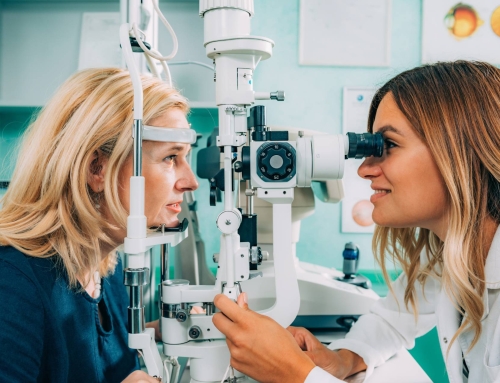
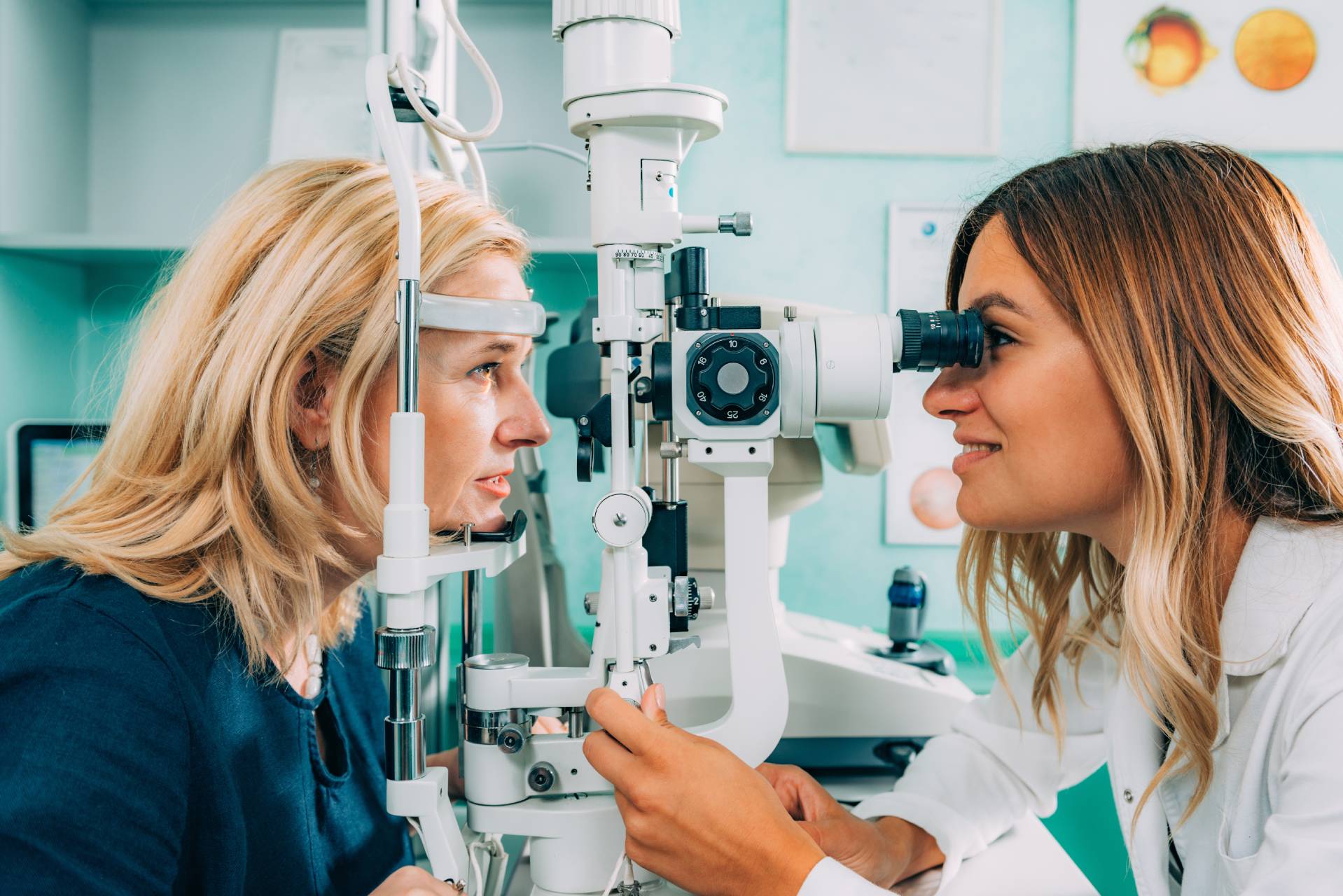
Routine care plays an important role in protecting vision for individuals with diabetes. An eye exam allows an optometrist to examine the retina and other structures for early signs of damage, often before symptoms appear.
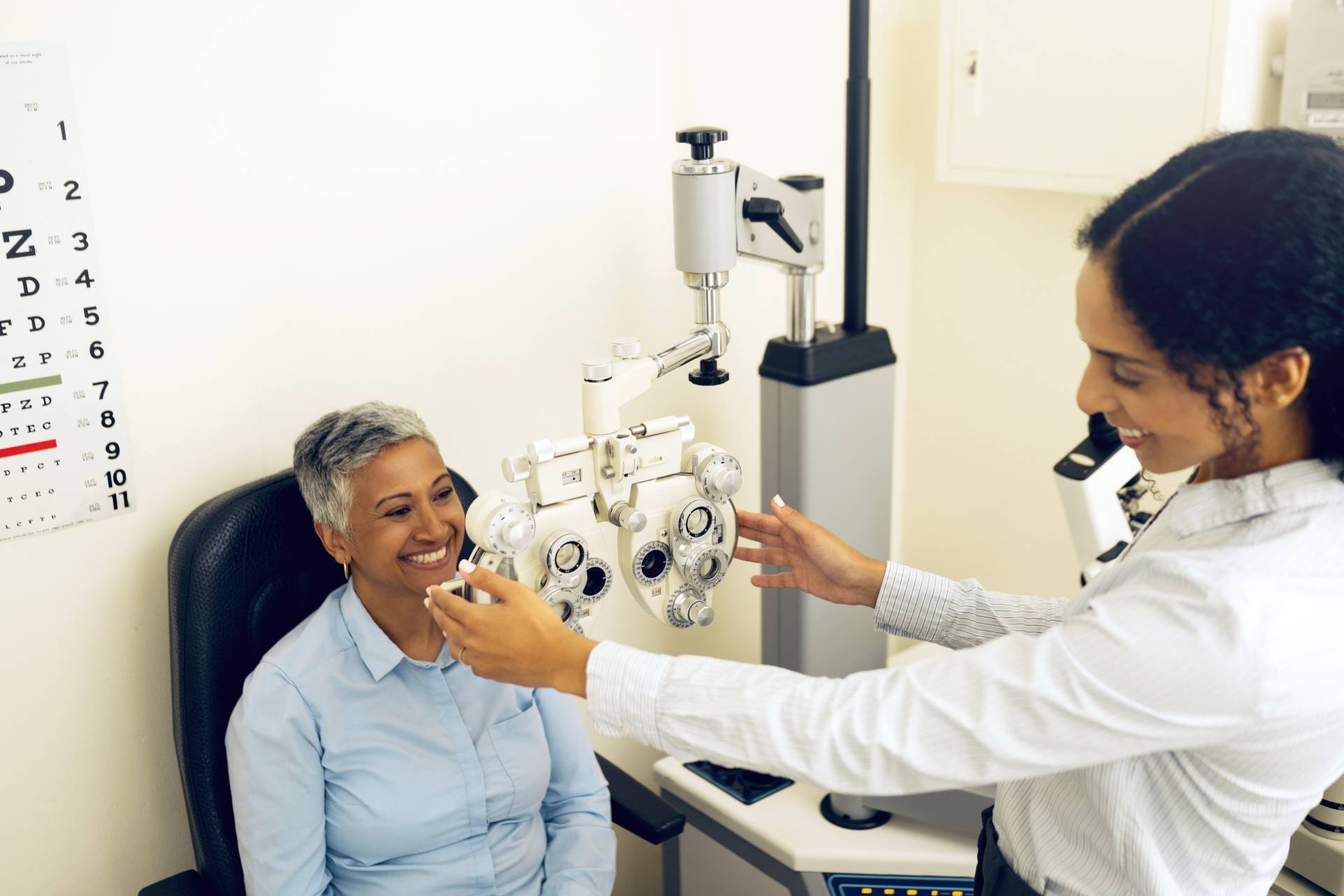
Annual eye exams are commonly recommended for people with diabetes because they help track changes over time. Consistent visits make it easier to detect subtle differences that may indicate developing problems.
Communication between healthcare providers can also support eye health. A family doctor often helps manage blood sugar levels and overall health while an eye care professional monitors the condition of the eyes. Working together, these professionals help support a more complete approach to care.
Preventive eye care focuses on early detection and ongoing observation rather than waiting for symptoms to appear. This approach can help reduce the likelihood of serious vision problems in the future.
Supporting Eye Health Through Daily Habits
While monitoring is important, everyday habits also play a role in maintaining healthy eyes. Managing blood sugar levels, following recommended care plans, and maintaining regular checkups all contribute to overall eye health.
Healthy lifestyle choices may also support long-term wellness. Balanced meals that include eye-friendly nutrition food such as leafy greens, colourful vegetables, and foods rich in essential nutrients may help support the body’s natural processes.
Staying active and maintaining general health can also support circulation, including the small blood vessels that nourish the eyes. These habits work alongside routine monitoring to support long-term vision health.
The Importance of Clear Vision in Everyday Life
Clear vision plays an essential role in daily living. Activities such as reading, working, driving, and recognizing faces all depend on healthy eyesight. Good vision also supports independence and confidence in everyday tasks.
Vision allows people to enjoy hobbies, connect with others, and navigate their surroundings safely. When vision is affected, even simple activities can become more challenging.
Protecting eye health helps preserve these experiences. Maintaining regular checkups and monitoring changes in vision supports the ability to continue participating in daily life with clarity and comfort.
Diabetes can affect the eyes in ways that may not be immediately noticeable, but the impact can be significant if changes go undetected. Damage to the tiny blood vessels in the retina may gradually lead to vision problems and increase the risk of long-term vision loss.
Regular monitoring through an eye exam and consistent preventive eye care can help identify changes early and support long-term eye health. By staying aware of potential risks and maintaining routine care, individuals with diabetes can take meaningful steps toward preserving their vision for years to come.