Clear vision shapes how we experience the world, from reading screens to recognizing faces. Prescription glasses are one of the most common and effective tools for correcting vision, and they can benefit people of any age as long as they are prescribed. Understanding how they work and how to choose and wear them properly can make a significant difference in comfort and quality of life.
Understanding the Basics of an Eye Exam
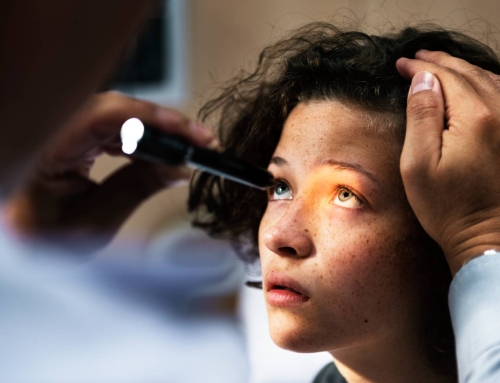
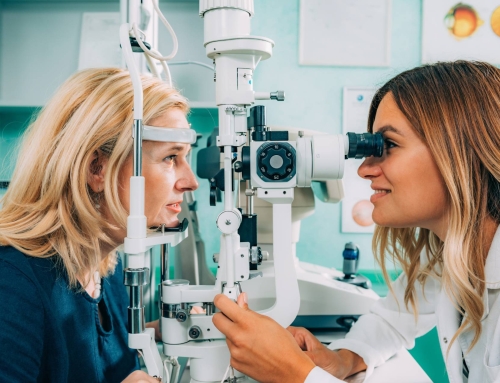
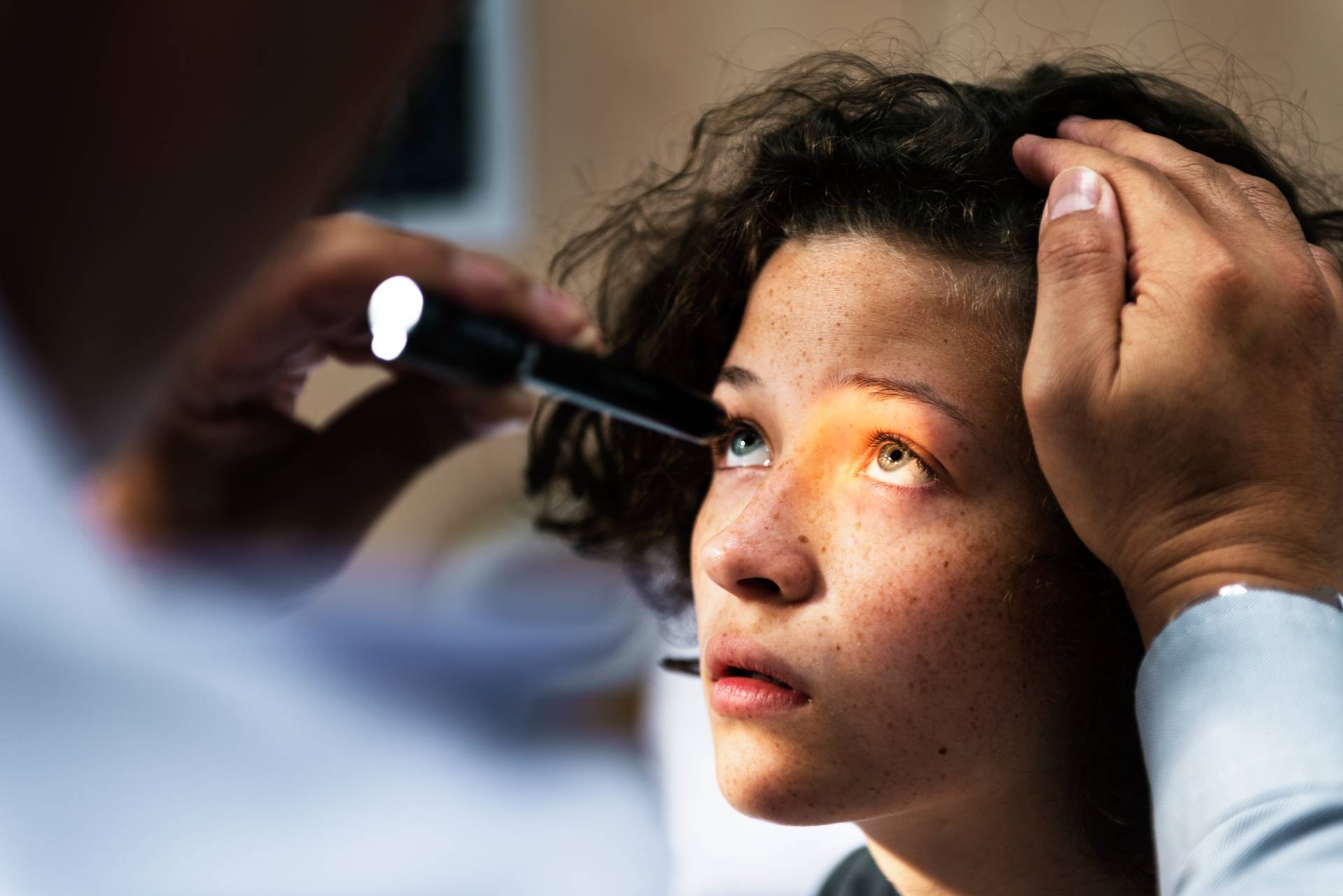
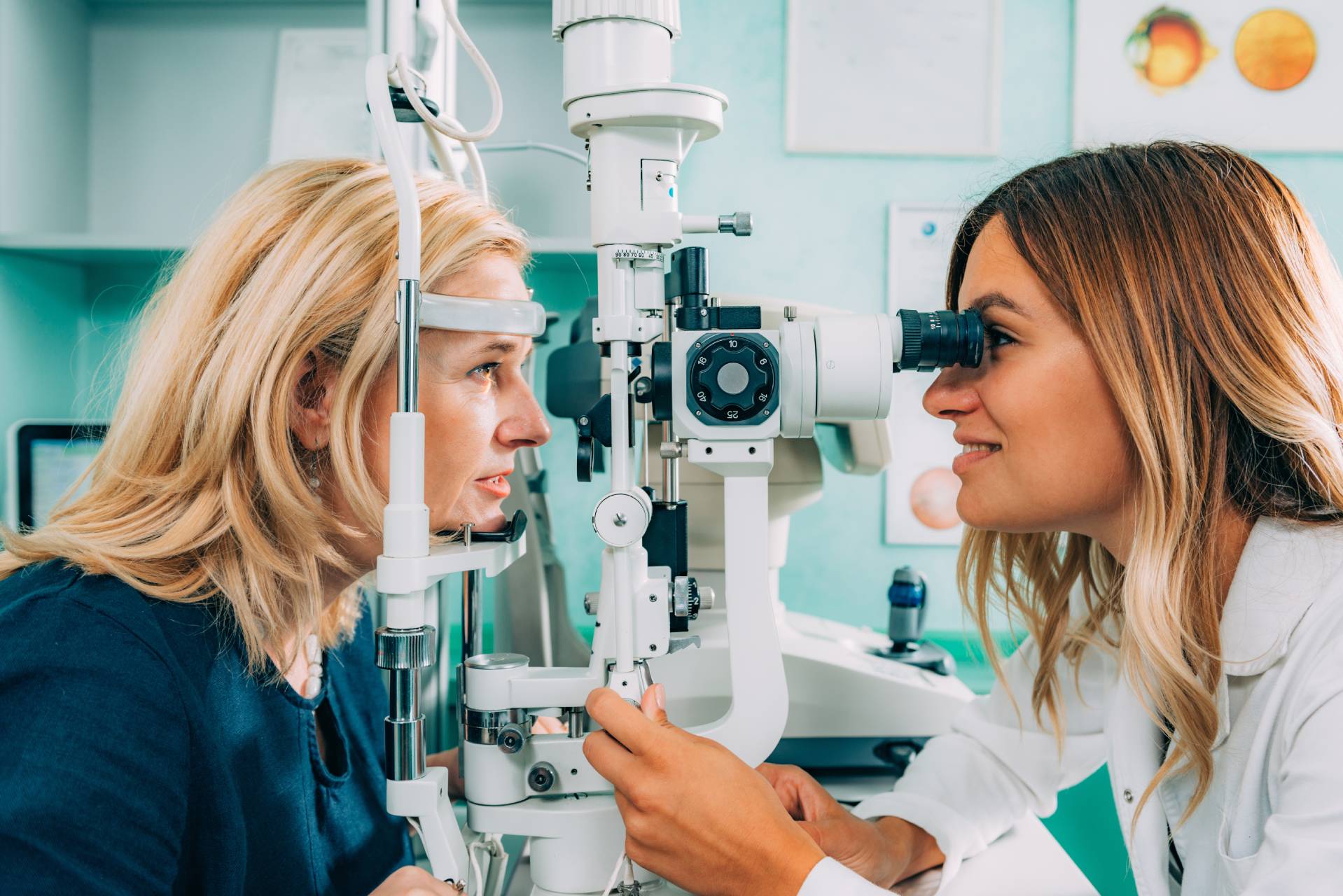
The journey begins with an eye exam, which evaluates how well your eyes focus light and detect detail. For many people, especially those scheduling their first eye exam, the process includes reading charts, measuring eye pressure, and testing how your eyes work together.
During the exam, an optometrist determines your prescription by identifying refractive errors such as nearsightedness, farsightedness, or astigmatism. These issues occur when light entering the eye does not focus correctly on the retina. The prescription is essentially a set of measurements that guides how lenses should bend light to restore clarity.
How Prescription Lenses Correct Vision
Prescription lenses function by altering the path of incoming light. Concave lenses spread light outward to correct nearsightedness, while convex lenses bring light inward for farsightedness. Cylindrical lenses help correct irregular curvature in the eye.
The goal is simple: ensure that light lands precisely on the retina. When this alignment is achieved, objects appear sharp and well-defined. This precision is comparable to the accuracy expected during a visit to a muffler shop, where even small misalignments can affect performance. Similarly, properly calibrated lenses ensure your vision functions at its best.
Choosing Between Glasses and Contact Lenses
When it comes to choosing between glasses and contact lenses, lifestyle plays a major role. Glasses are easy to maintain, non-invasive, and can serve as a fashion accessory. Contact lenses, on the other hand, offer a wider field of vision and may be preferred for sports or active routines.
Many people opt for both, using glasses for daily wear and contacts for specific activities. The choice ultimately depends on comfort, convenience, and personal preference rather than a one-size-fits-all solution.
Selecting the Right Frames
Frames are more than just a style choice—they influence how well your glasses function. A proper fit ensures that lenses align correctly with your eyes, which is essential for effective vision correction.
When selecting frames, consider face shape, bridge fit, and temple length. Lightweight materials can improve comfort for all-day wear, while adjustable nose pads help achieve a better fit. Ill-fitting frames can lead to slipping, pressure points, or even headaches, reducing the benefits of your prescription.
Lens Options and Coatings
Modern lenses come with a variety of coatings designed to enhance performance. Anti-reflective coatings reduce glare from screens and headlights, making them especially useful for those experiencing computer vision syndrome. Blue light filtering options are also popular for people who spend long hours on digital devices.
Scratch-resistant coatings improve durability, while UV protection helps shield eyes from sunlight. These enhancements do not change the prescription itself but can significantly improve comfort and usability in daily life.
Adjusting to New Glasses
Adapting to new prescription glasses can take a few days to a couple of weeks. During this period, your brain adjusts to the corrected visual input. Some people may notice slight distortions or mild discomfort initially, but these effects typically diminish with consistent wear.
If discomfort persists, it may indicate that the fit or prescription needs adjustment. Regular follow-ups ensure that your glasses continue to meet your visual needs effectively.
How Long Prescriptions Last
A prescription is not permanent. For most people, it remains valid for one to two years, depending on age and individual vision changes. Children and older adults may require more frequent updates due to evolving eyesight.
Keeping prescriptions current is essential for maintaining visual clarity and avoiding unnecessary strain. Just as routine maintenance keeps a vehicle running smoothly, regular vision checks help ensure your eyes perform at their best.
The Lifestyle Impact of Proper Eyewear
Well-fitted prescription glasses can alleviate common issues such as headaches, eye fatigue, and blurred vision. They are particularly helpful for individuals who spend extended periods on digital devices, reducing the symptoms associated with computer vision syndrome.
Beyond physical comfort, clear vision supports productivity, safety, and overall well-being. Whether reading, driving, or working, the right pair of glasses enhances daily experiences in subtle but meaningful ways.
Prescription glasses are more than a corrective tool—they are an investment in daily comfort and long-term visual health. From your initial eye exam to selecting frames and adapting to wear, each step plays a role in achieving optimal vision. By understanding the process and making informed choices, you can enjoy clearer sight and an improved quality of life at any age.