Many people hear from their family doctor that long-term wellness is shaped less by one big decision and more by the small habits repeated every day. Eye health fits squarely into that idea. How we use screens, fuel our bodies, rest our eyes, and stay aware of changes can all influence how comfortably we see over time. By focusing on simple, consistent choices, people can stay engaged with preventive eye care at every stage of life. These habits don’t require dramatic lifestyle changes, but rather a steady awareness of how daily routines affect visual comfort. Over time, small adjustments can help people feel more confident and informed about protecting their eyesight.
Mindful Screen Use in a Digital World
Screens are part of modern life, whether for work, school, or staying connected. Extended screen time, however, has introduced a set of common challenges often grouped under the term computer vision syndrome. This phrase is used to describe eye discomfort linked to prolonged digital device use, such as focusing on small text or maintaining the same viewing distance for long periods.
One widely discussed habit for screen users is the 20-20-20 rule, which encourages people to take brief visual breaks during extended screen time. The idea is simple: stepping away from close-up focus regularly can help give the eyes a chance to reset. Other everyday considerations, like adjusting screen brightness, being aware of glare, and setting up a comfortable workstation, are often part of broader conversations about visual comfort.
By becoming more intentional about how and when screens are used, people can reduce unnecessary strain and create routines that feel more sustainable in a screen-centred world.
Nutrition That Supports Overall Wellness
What we eat affects the entire body, and the eyes are no exception. Nutrition is often discussed as part of whole-body wellness rather than as a stand-alone solution for any one concern. A varied, balanced diet that includes a wide range of fruits, vegetables, whole grains, and proteins supports general health, which in turn supports visual function.
Hydration also plays a role in overall comfort and daily energy levels. Many people find that staying mindful of regular meals and fluids helps them feel more alert and focused, including during visually demanding tasks. Rather than focusing on specific nutrients or trends, consistent balanced eating patterns are commonly highlighted as part of long-term healthy habits.
These everyday choices reinforce the idea that eye health is closely connected to overall lifestyle, not isolated from it.
The Importance of Rest and Sleep
Sleep is another foundational habit that supports wellness from head to toe. During rest, the body has time to recover from daily demands, including those placed on the eyes. Long days of reading, driving, or screen use can feel more manageable when paired with consistent sleep routines.
Creating a calming wind-down routine, limiting late-night screen exposure, and maintaining regular sleep schedules are all commonly discussed strategies for supporting better rest. While sleep habits are often associated with energy and mood, they are also part of maintaining comfort and focus during waking hours.
When rest becomes a priority, people often notice that daily tasks, including visually intensive ones, feel less taxing over time.
Routine Eye Exams as a Preventive Habit
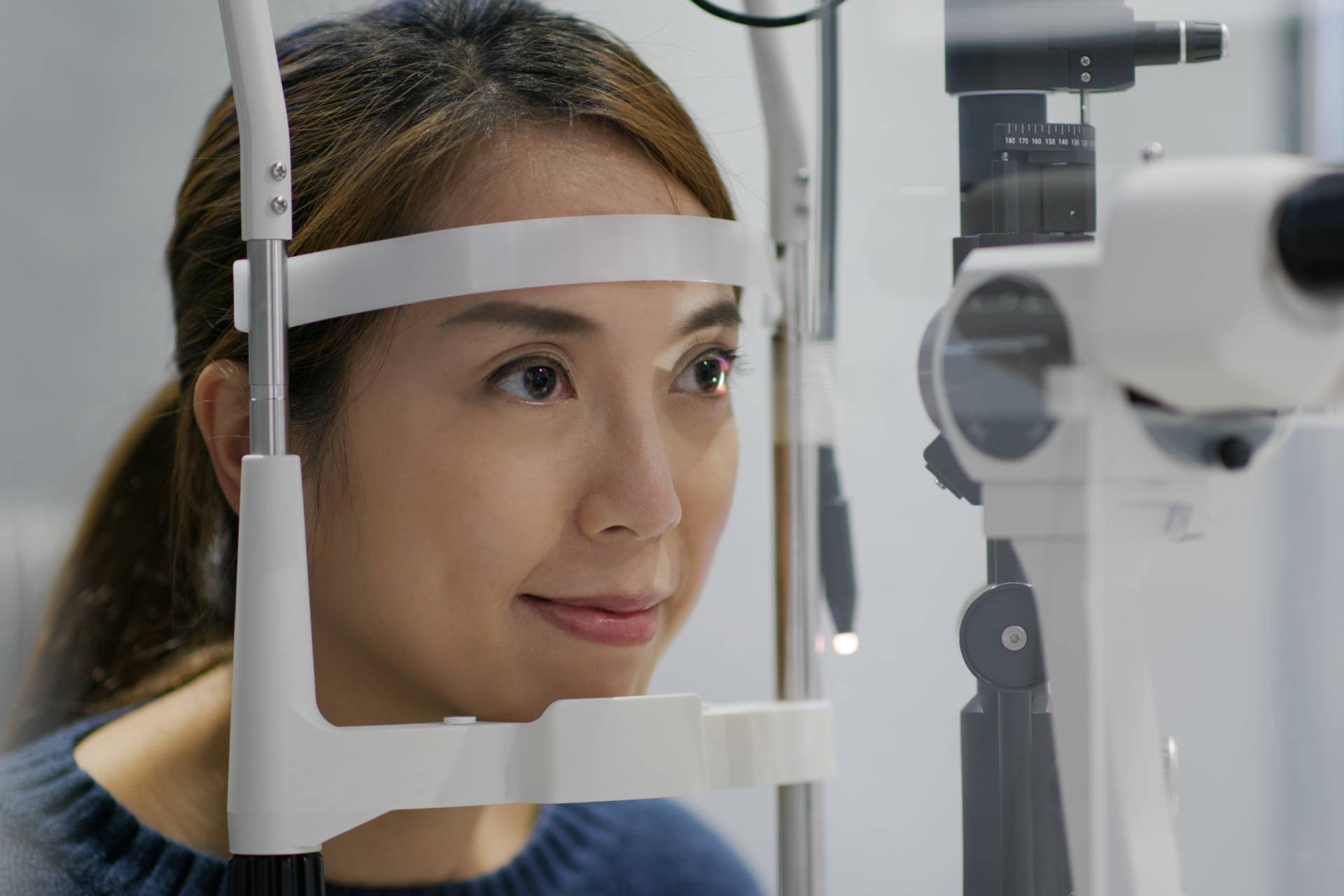
Just as people schedule regular checkups with their primary care provider, routine visits with an optometrist are often viewed as a proactive step. An eye exam is not only about updating vision needs but also about establishing a baseline and tracking changes over time.
Routine eye exams support awareness, helping people stay informed about their vision as life evolves. From childhood through adulthood and into later years, these visits are part of a broader preventive approach. They align closely with the philosophy many healthcare professionals share: addressing potential concerns early and maintaining continuity over time.
By making eye exams a regular habit, individuals stay engaged with their eye health rather than reacting only when something feels off.
Lifelong eye health is built through everyday choices that add up over time. Thoughtful screen use, balanced nutrition, consistent sleep, and routine eye exams all support a proactive approach to vision. These simple habits reinforce the idea that caring for the eyes is part of caring for the whole person. With steady attention and preventive habits, people can support comfortable, clear vision through every chapter of life.