Your eyes do far more than help you see. They support how you learn, work, communicate, and navigate the world. Because your eyes may reveal some of your health conditions, paying attention to their well-being can help you stay informed about your overall wellness. Preventive eye care focuses on early detection, healthy habits, and consistently monitoring vision changes. This guide explains why being proactive matters and how simple day-to-day choices can support clear, comfortable sight for years to come.
What is Preventive Eye Care?
Preventive eye care includes the habits, routines, and check-ins that help protect long-term vision. It focuses on maintaining eye health before problems arise rather than waiting for symptoms to appear. Key parts of preventive care include wearing protective eyewear, practicing good screen habits, supporting eye health through nutrition, and scheduling a comprehensive eye exam on a regular basis. Because some eye conditions progress silently, preventive care serves as a safety net that helps people of all ages stay aware of changes in their vision.
Why Preventive Eye Care Matters
Many common eye conditions develop gradually and without noticeable early warning signs. For example, annual eye exams are important for identifying subtle changes in vision or eye structure. Early detection is critical in reducing the risk of long-term damage, particularly as people age or encounter new lifestyle demands. Preventive eye care also encourages awareness of daily habits that impact eye comfort, like prolonged screen use, harsh lighting, or insufficient rest. By being proactive instead of reactive, you gain more control over your visual health and overall well-being.
The Role of Routine Eye Exams
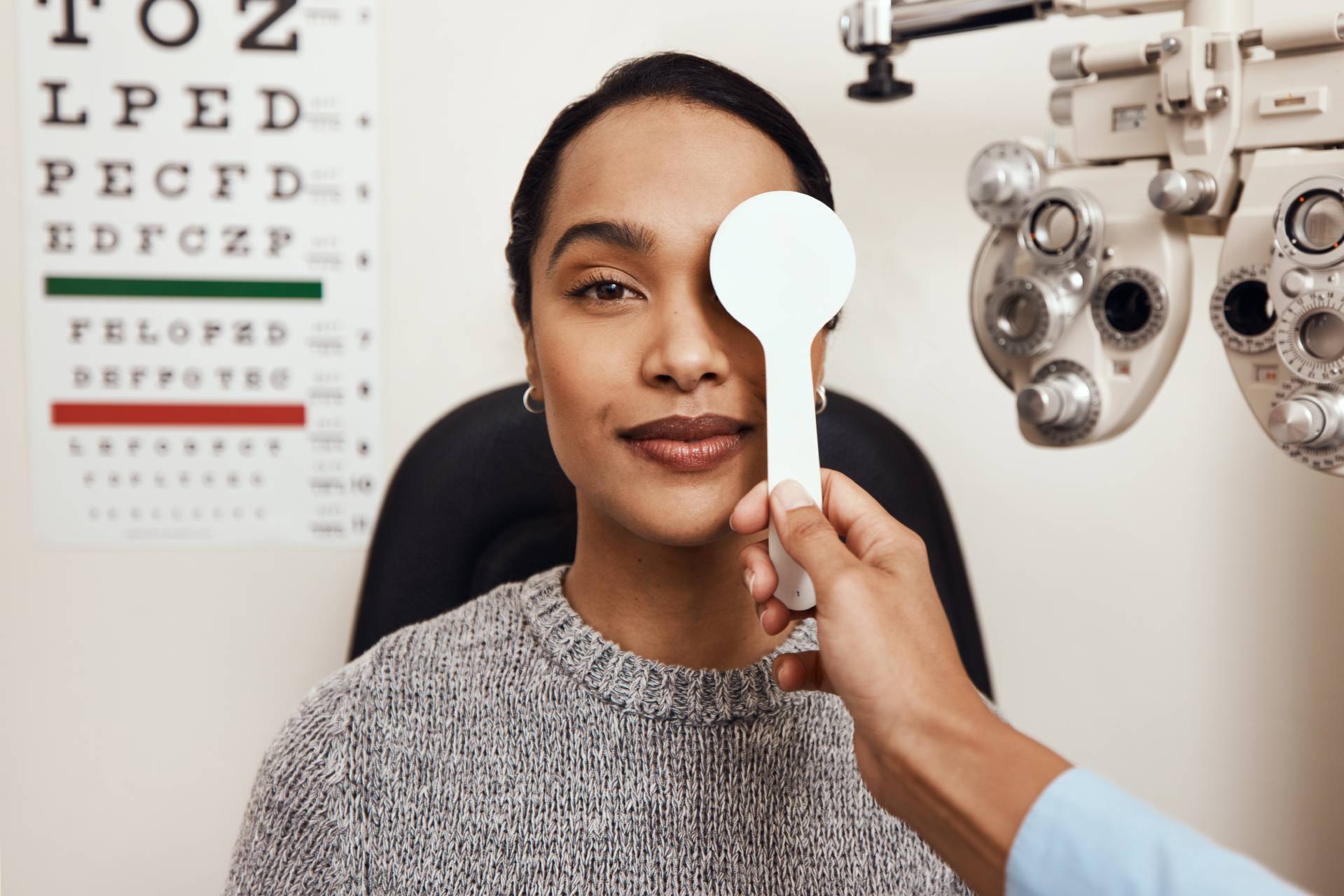
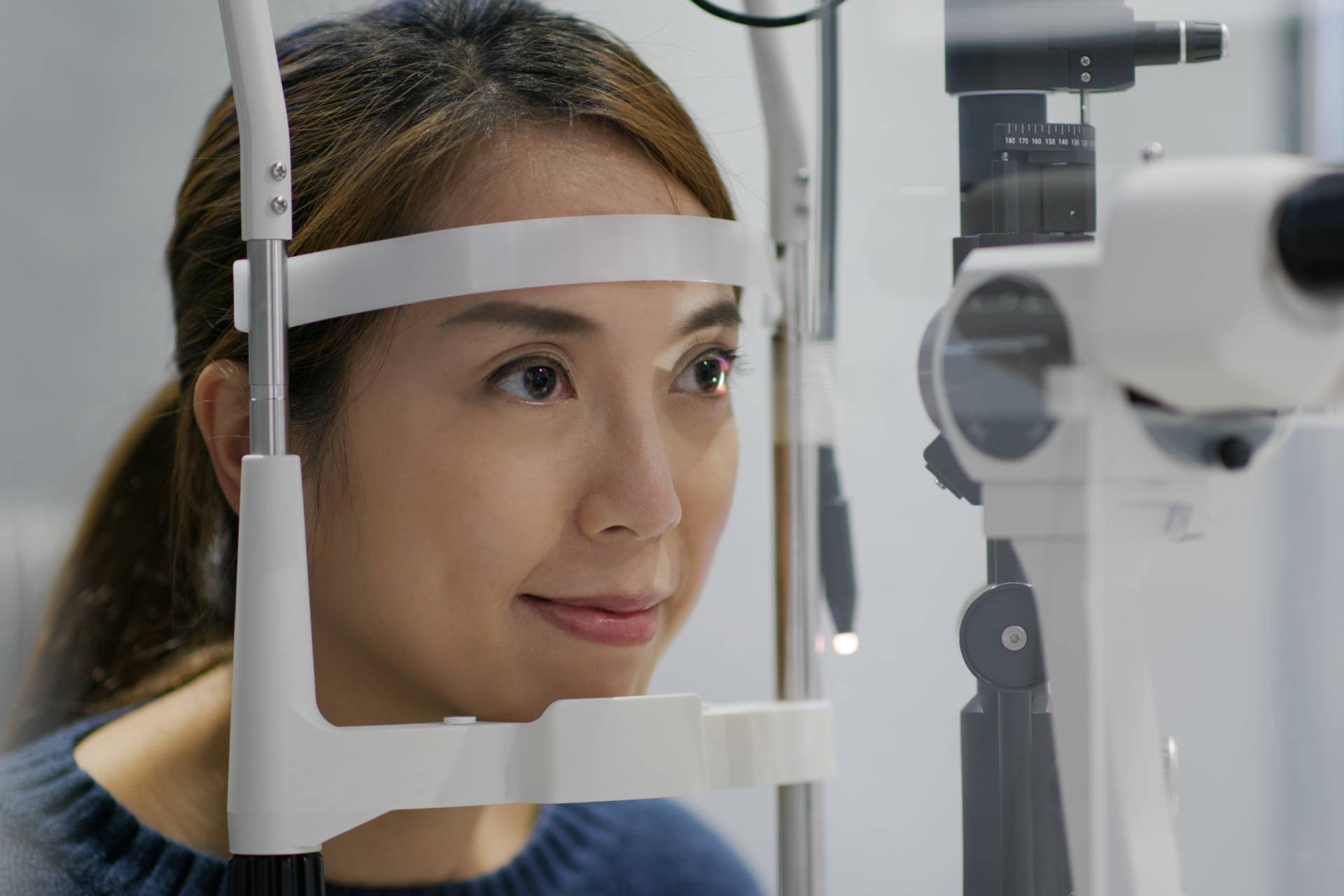
A comprehensive eye exam is one of the most effective tools for preserving vision. During these exams, specialists can detect early signs of conditions such as glaucoma or diabetic retinopathy—two diseases that usually develop without obvious symptoms but can lead to permanent vision loss if left unaddressed. Early detection offers a better chance of protecting long-term vision. Routine check-ins also help monitor eye alignment, focusing ability, and changes in prescription needs, making everyday tasks like reading, driving, or working at a computer more comfortable and efficient.
Healthy Habits That Support Lifelong Vision
Balanced Nutrition
A diet rich in colourful fruits, leafy greens, and omega-3 fatty acids can support general eye function. While food cannot “fix” vision problems, balanced nutrition plays a role in maintaining resilience and comfort. Simple additions, like spinach, berries, or fish, can contribute to overall wellness.
UV Protection
Ultraviolet light can affect long-term eye health. Wearing sunglasses that block UVA and UVB rays provides a layer of defense during outdoor activities, from quick walks to long days spent in the sun.
Screen-Time Management
Digital devices place new demands on the eyes. Practicing the 20-20-20 eye rule—every 20 minutes, look at something 20 feet away for at least 20 seconds—can help reduce digital eye strain. Adjusting screen brightness, improving room lighting, and increasing blinking can also help maintain visual comfort during long work or study sessions.
Protective Eyewear
Safety glasses or goggles are valuable for sports, yard work, and household projects. These simple tools reduce the risk of injury and help maintain long-term eye comfort.
Preventive Eye Care at Every Age
Children
Children rely on vision to support learning, social development, and motor skills. Routine eye check-ins help identify issues like focusing problems or visual coordination challenges early, supporting confidence in the classroom and during play. Encouraging children to take screen breaks, play outdoors, and maintain healthy reading habits helps build lifelong visual awareness.
Adults
Adults juggle screens, work tasks, driving, and household responsibilities, all of which place unique demands on the eyes. Scheduling routine exams, practicing the 20-20-20 eye rule, and protecting against UV exposure support comfort and productivity. Awareness of family health history can also help adults understand their personal risk factors.
Seniors
Aging brings natural changes to the eyes. Seniors benefit significantly from routine eye exams that monitor cataracts, glaucoma, and other age-related conditions. Healthy routines, such as adequate lighting, good nutrition, and consistent hydration, can help maintain independence and quality of life. Preventive care also supports safer mobility and clearer vision for everyday activities.
Preventive eye care is a simple yet powerful way to support lifelong vision. Whether you are encouraging children to build healthy habits, striving to balance digital work as an adult, or protecting visual independence in later years, proactive steps make a meaningful difference. From wearing UV protection to scheduling a routine eye exam, small choices help preserve clarity, confidence, and comfort. Investing in your visual health today helps ensure sharper, healthier sight for years to come.