Vision is often thought of as a simple matter of clarity—seeing clearly at a distance or reading up close. However, vision is deeply tied to how efficiently the brain processes information. Every visual signal your eyes receive must be interpreted almost instantly, influencing reaction time, focus, and overall mental performance. When visual input is even slightly compromised, the brain compensates, which can lead to subtle delays often described as “cognitive lag,” as well as increased mental fatigue. Understanding this connection highlights why preventive eye care is essential not just for eyesight but for cognitive function as well.
The Brain-Eye Connection
The eyes and brain work together as a tightly integrated system. Light entering the eye is converted into neural signals by the retina and sent through the optic nerve to the brain. The brain then processes this information, allowing you to recognize objects, track motion, and make decisions.
When visual input is crisp and accurate, the brain processes it quickly and efficiently. But when that input is slightly blurred or inconsistent, the brain must work harder to interpret it. This extra effort may not be noticeable at first, but it can reduce processing speed and increase cognitive load. Over time, this inefficiency can affect attention, reaction time, and overall mental clarity.
Cognitive Lag and Subtle Vision Issues
Many vision problems are not dramatic enough to be immediately obvious. Minor refractive errors or small focusing inconsistencies can go unnoticed yet still affect how the brain processes information.
Cognitive lag refers to the slight delay between seeing something and reacting to it. This delay can show up as slower reading, difficulty concentrating, or needing more effort to complete routine tasks. Even if vision seems “good enough,” the brain may still be compensating behind the scenes.
For example, someone with a mild uncorrected prescription might not struggle to see clearly in everyday situations. However, their brain is constantly refining the image, sharpening edges, and maintaining focus. This ongoing effort consumes mental energy, which can lead to reduced efficiency over time.
Mental Fatigue and Visual Strain
Mental fatigue is not always caused by workload alone. Visual strain is a significant and often overlooked contributor. When the eyes do not provide stable, high-quality input, the brain must continuously adjust, which requires energy.
This becomes especially noticeable during prolonged screen use. Symptoms associated with computer vision syndrome, such as headaches, eye discomfort, and reduced focus, are often linked to the brain working harder to process visual information. Over time, this can lead to a sense of mental exhaustion, even if the task itself is not particularly demanding.
Importantly, this fatigue may not feel like eye strain. Instead, it can present as difficulty staying focused, slower thinking, or general tiredness. These effects highlight how closely visual efficiency and cognitive performance are connected.
The Importance of Preventive Eye Care
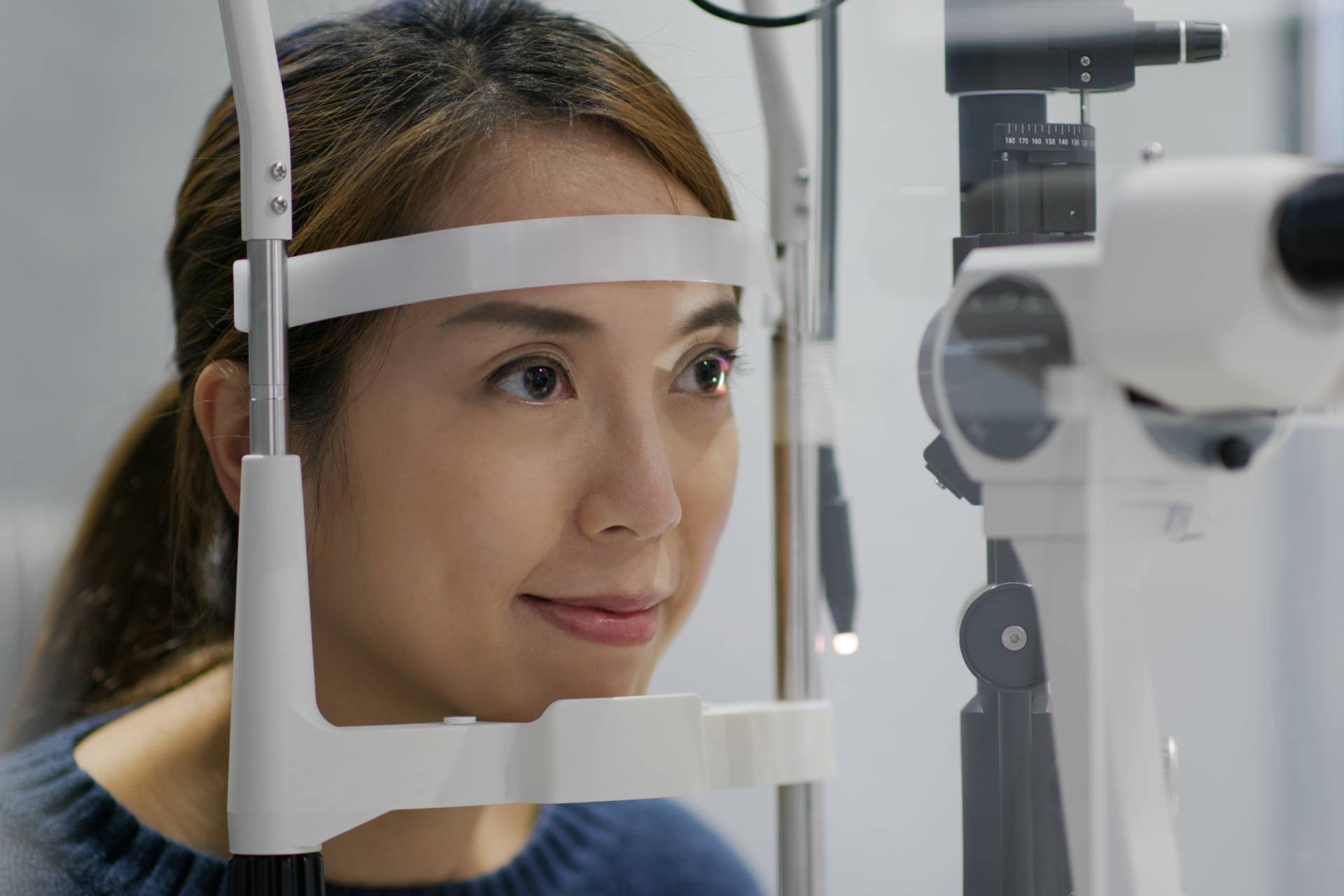
Regular preventive eye care plays a crucial role in maintaining both visual clarity and brain efficiency. A comprehensive eye exam evaluates more than just how clearly you can see. It assesses how well your eyes focus, track, and work together.
Correcting even minor vision issues can reduce the brain’s workload significantly. Many people experience improved concentration and less fatigue after updating their prescription or addressing small visual inefficiencies.
Routine eye exams also help detect changes early, before they begin to impact daily performance. By identifying and addressing issues proactively, individuals can maintain optimal visual input and support faster, more efficient cognitive processing.
Insights Beyond Vision
An eye exam can also provide valuable insight into overall health. Because the eyes contain delicate blood vessels and neural structures, they can reveal subtle changes that may not yet be apparent elsewhere in the body.
In some cases, optometrists may notice early signs of neurological or vascular shifts before they are identified during a routine visit with a family doctor. This highlights the broader role of eye care in monitoring general well-being.
Supporting Visual and Cognitive Health
Daily habits also contribute to maintaining strong visual and cognitive performance. Managing screen time, taking regular breaks, and optimizing lighting conditions can help reduce unnecessary strain. Nutrition is another factor; consuming eye-friendly nutritious food supports the structures responsible for clear vision.
These small, consistent practices can help ensure that the brain receives high-quality visual input, reducing the need for compensation and preserving mental energy throughout the day.
Clear retinal input is essential for efficient brain function. Even minor, uncorrected vision issues can create cognitive lag and contribute to mental fatigue by forcing the brain to work harder. Regular eye exams and a commitment to preventive eye care support not only better vision but also sharper, faster cognitive performance. By maintaining visual clarity, you enable your brain to operate at its full potential.