When headaches become a recurring part of daily life, the cause may not always seem connected to vision. Yet subtle, undetected vision defects can place extra demands on the eyes and visual system, contributing to discomfort around the temples, forehead, and brow. Just as a family doctor serves as a primary partner in understanding overall health, an optometrist can play an important role in identifying ocular and visual factors that may be contributing to recurrent head pain. A comprehensive eye exam can assess how clearly the eyes see, how well they work together, and whether visual fatigue may be part of the picture.
How Uncorrected Vision Can Contribute to Headaches
The eyes are constantly adjusting to keep objects clear and maintain comfortable vision. When a refractive error is present but uncorrected, the visual system may need to work harder to achieve a clear image.
Farsightedness, for example, can require additional focusing effort, particularly when looking at nearby objects. Astigmatism can cause images to appear blurred or distorted at different distances, potentially encouraging the eyes to work harder to maintain clarity. These subtle changes may not always be obvious to the person experiencing them, especially when the eyes can compensate effectively for periods of time.
Over time, sustained visual effort may contribute to discomfort commonly described as a tension-like headache. For some people, that discomfort can be felt around the brow, forehead, or temples, particularly after prolonged reading, computer use, or other visually demanding activities.
The Role of Binocular Focusing
Clear vision involves more than how sharply each individual eye sees. The two eyes must also coordinate their movements and focusing responses so the brain receives comfortably aligned visual information.
Binocular focusing issues can make tasks that require sustained near vision more demanding. Reading, studying, working at a computer, or switching repeatedly between distances may increase the effort required to maintain comfortable vision. If the eyes are struggling to coordinate or focus efficiently, symptoms may become more noticeable during extended periods of close work.
This is one reason an optometrist may evaluate eye teaming and focusing ability during a comprehensive examination rather than limiting an assessment to a standard vision chart.
Recognizing Eye Strain Symptoms
Headaches are one possible sign of visual fatigue, but they may occur alongside other eye strain symptoms. These can include tired or aching eyes, intermittent blurred vision, difficulty maintaining focus, increased sensitivity to visual tasks, or discomfort after extended periods of reading or screen use.
Symptoms can vary considerably from person to person, and similar complaints can have many different causes. That makes a comprehensive eye evaluation particularly useful when recurring headaches appear to have a connection with visually demanding activities. An optometrist can assess whether an uncorrected refractive error, focusing difficulty, or binocular vision concern may be contributing to the pattern.
What a Comprehensive Eye Exam Can Reveal
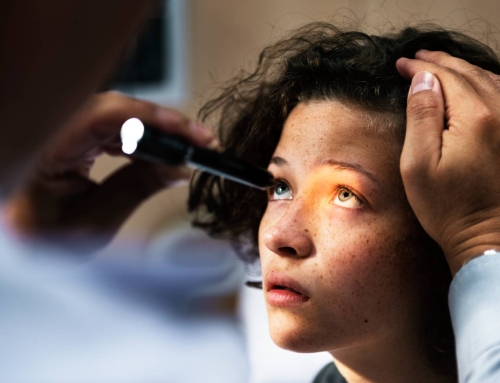
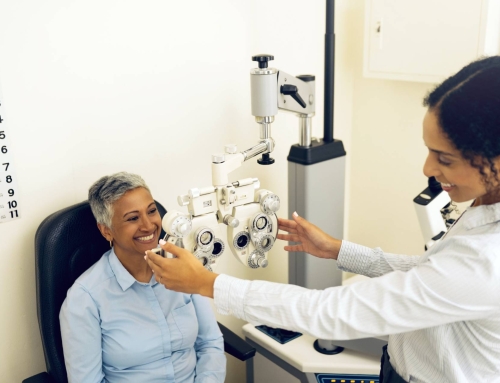
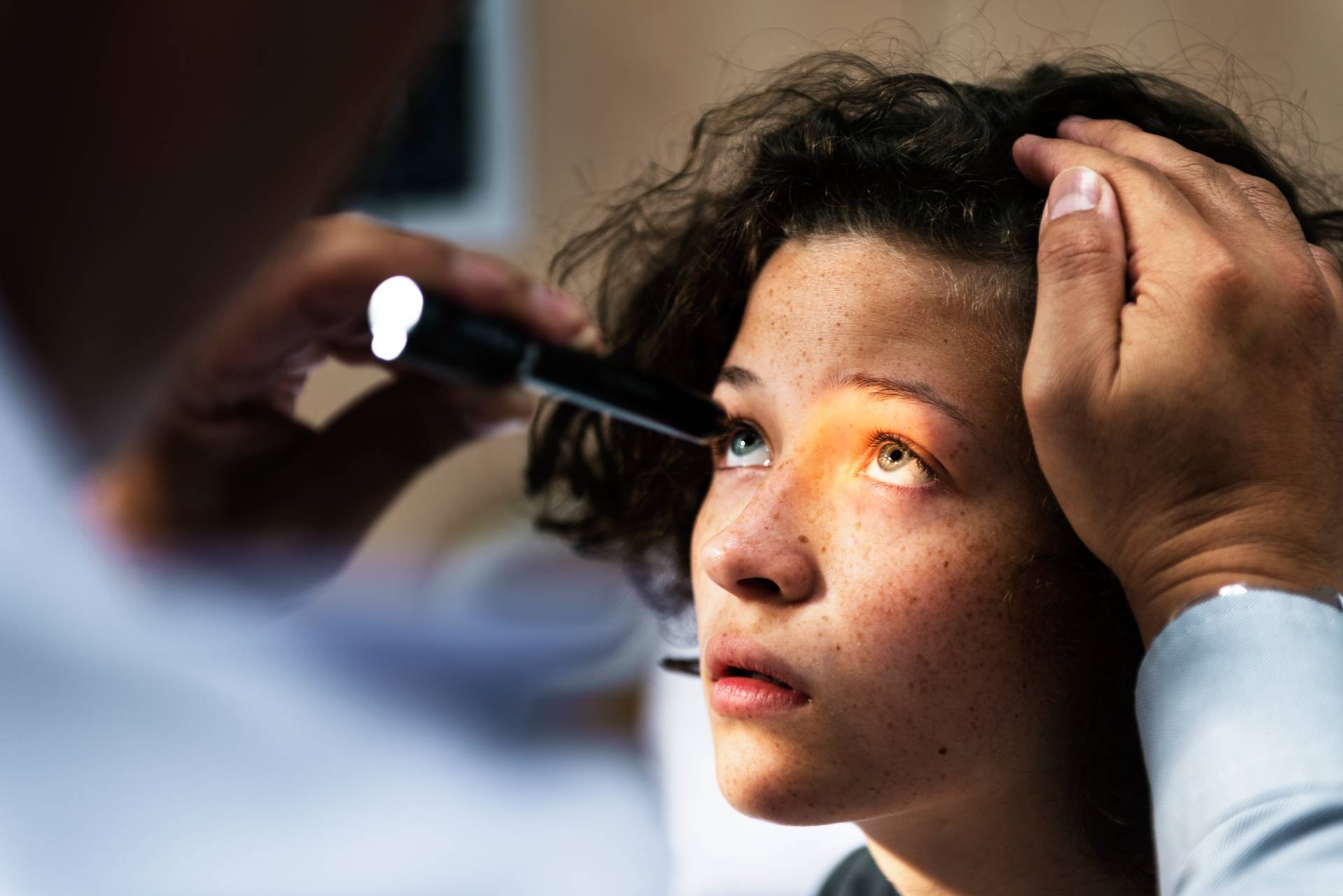
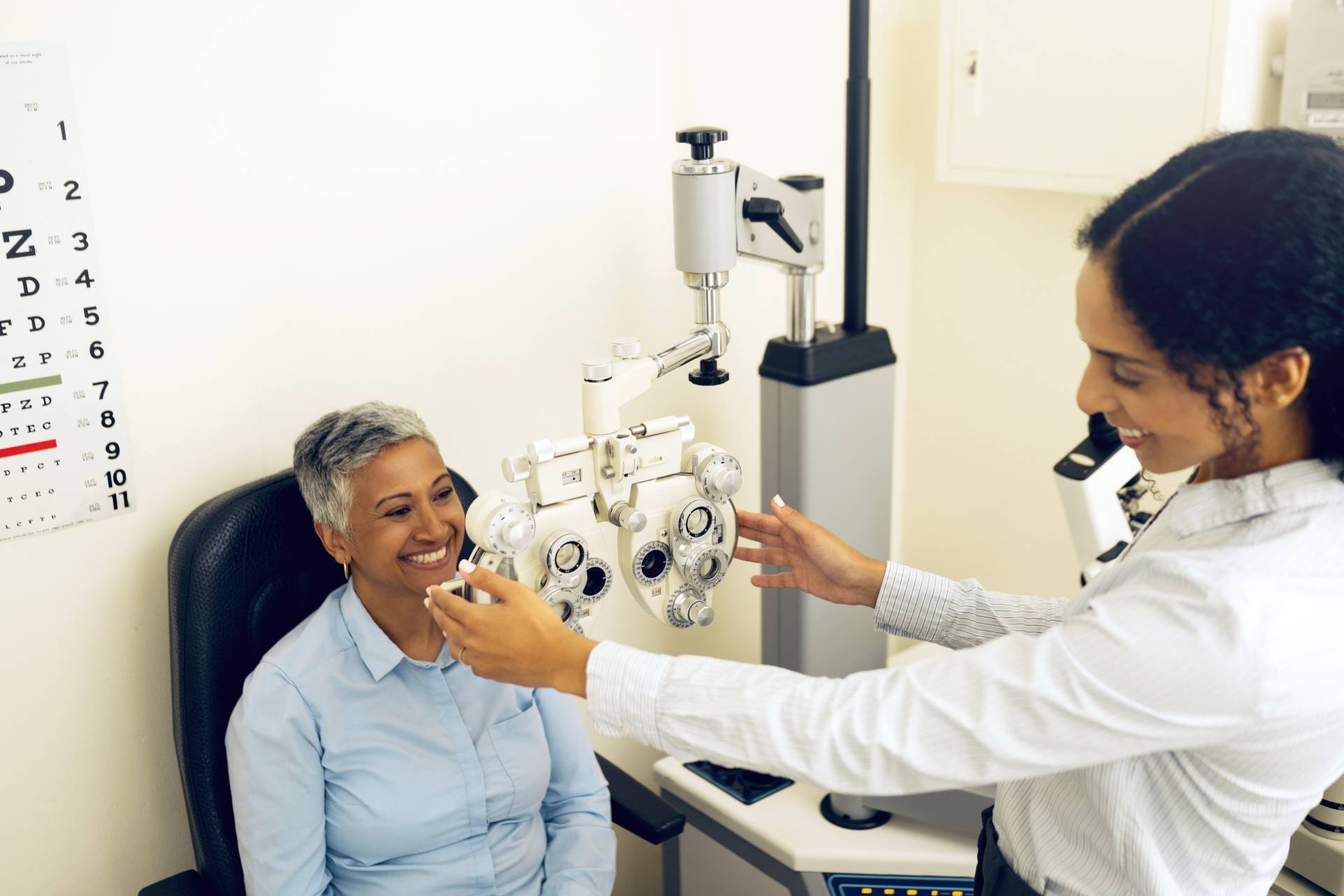
A thorough eye exam typically goes beyond determining whether someone can read letters on a distance chart. Depending on the individual’s needs, an optometric evaluation may include assessment of visual acuity, refraction, eye health, focusing ability, and coordination between the eyes.
These components help provide a broader understanding of the visual system. The examination can identify refractive errors such as farsightedness and astigmatism while also evaluating factors associated with comfortable near vision. An eye health assessment is also important because not every headache-related visual complaint is caused by refractive error or eye strain.
For children, comprehensive examinations are especially relevant to the importance of children’s eye health, because children may not recognize or communicate that their vision is uncomfortable. Identifying vision problems early can help support comfortable visual development and learning.
Prescription Glasses and Comfortable Vision
When an examination identifies a refractive error, prescription lenses may be one way of improving visual clarity and reducing the effort required to maintain focus. Choosing and wearing prescription glasses can therefore be an important part of maintaining comfortable vision when corrective lenses are recommended.
The goal is not simply sharper eyesight. Properly prescribed correction can help the visual system perform its normal tasks more comfortably, particularly during activities that demand sustained focus.
Recurring headaches can have numerous possible causes, and vision is only one factor to consider. However, subtle refractive errors and binocular focusing difficulties can sometimes contribute to visual fatigue and tension-like discomfort around the temples and brow. A comprehensive eye exam gives an optometrist an opportunity to assess these visual factors while also checking overall ocular health. For people experiencing recurring head discomfort associated with visual tasks, understanding the connection between vision and headaches can be an important step toward identifying potential contributors.