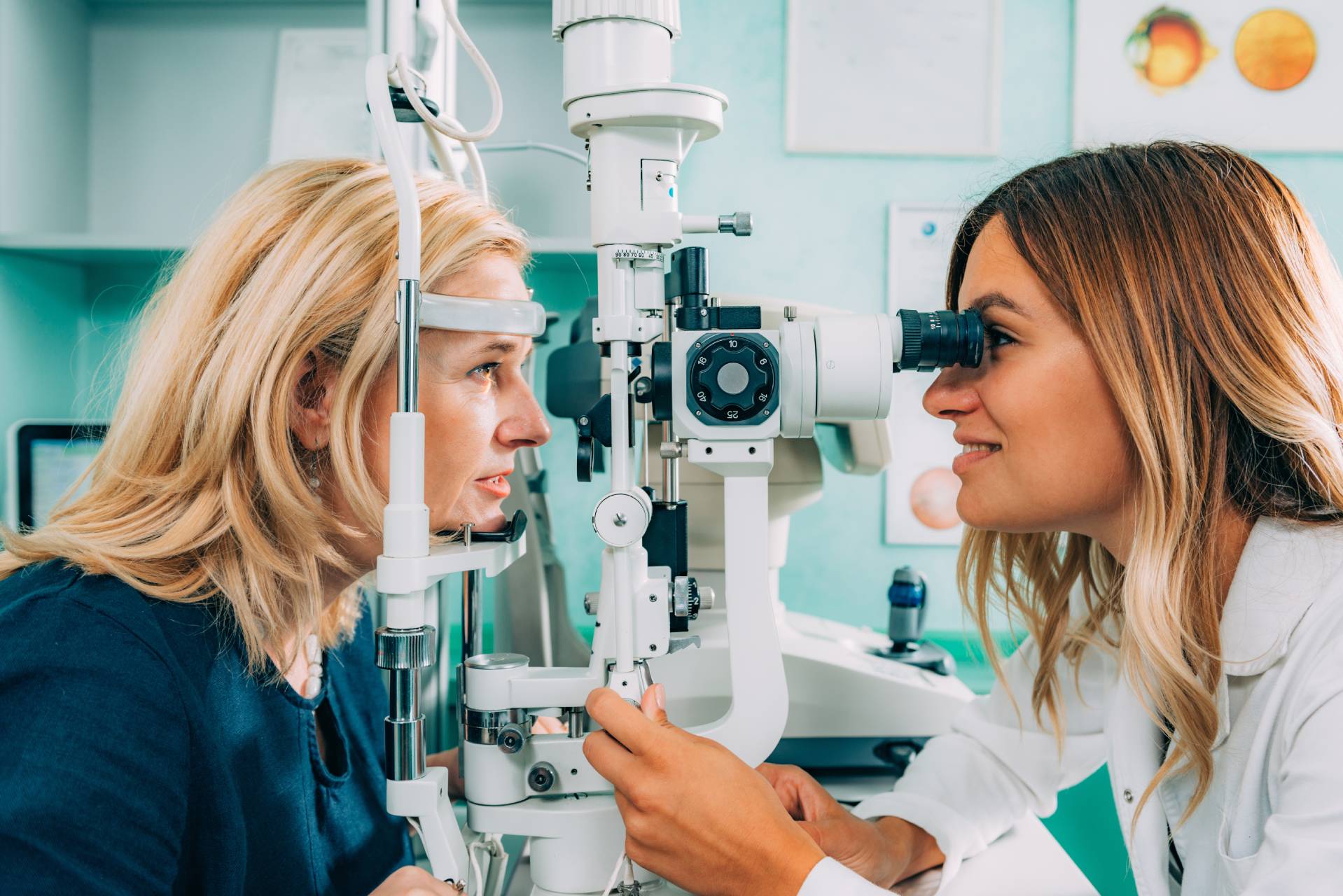
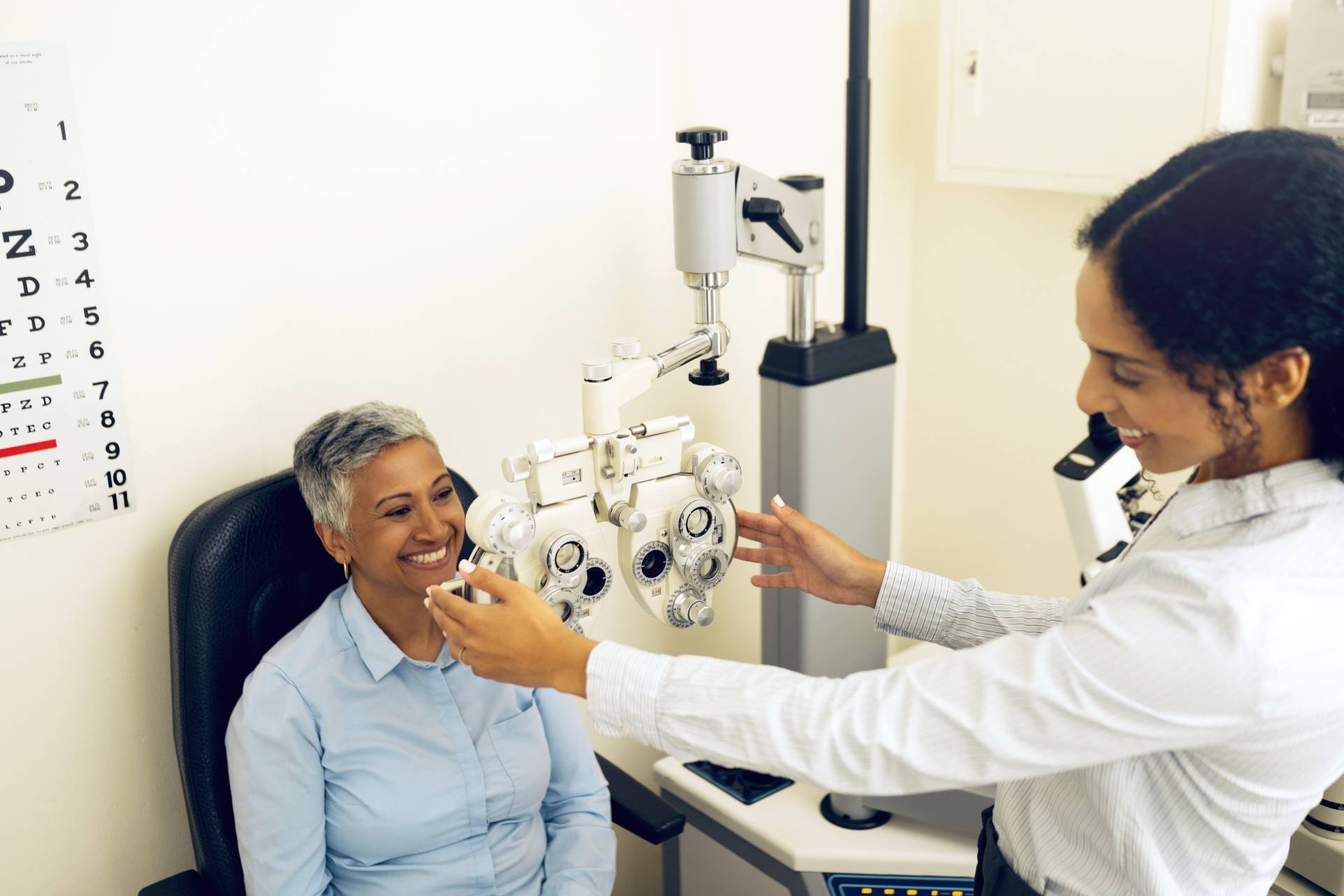
Modern wellness trends often emphasize full-body optimization from nutrition to fitness to innovations like cellular hydration and IV therapy. While these approaches highlight the importance of systemic health, it’s equally important not to overlook your eyes. Vision is not static; it evolves over time, influenced by age, lifestyle, and environmental factors. Understanding how your eyesight may change through the decades can help you stay informed and aware of your visual health as you move from early adulthood into your senior years.
Your 20s: Digital Demands and Eye Strain
In your 20s, your eyes are typically at their peak in terms of flexibility and focus. Most individuals enjoy clear vision, quick focusing ability, and minimal age-related concerns. However, this decade introduces a different kind of challenge: lifestyle-related eye strain.
With the rise of digital devices, prolonged screen time has become nearly unavoidable. Hours spent on laptops, smartphones, and tablets can lead to digital eye strain, characterized by symptoms such as dryness, fatigue, blurred vision, and headaches.
Habits formed during this decade play a long-term role in eye health. Many individuals in their 20s may also begin choosing and wearing prescription glasses for the first time, whether for distance vision, reading, or blue-light filtering. Regular scheduling of an eye exam during this period helps establish a baseline for future vision changes and ensures any early concerns are documented.
Your 30s: Subtle Shifts Begin
As you move into your 30s, vision changes may begin to emerge, though often subtly. While many people still experience generally clear eyesight, the eyes may not adjust as quickly as they once did, particularly when shifting focus between distances.
This is also the time when lifestyle factors, such as work demands, stress, and continued screen exposure, can compound earlier habits. Individuals who previously did not require corrective lenses may begin considering options for visual clarity, especially for tasks that require sustained focus.
Routine eye exams continue to play an important role during this decade. Although major age-related conditions are less common in your 30s, this is a period of transition where awareness becomes increasingly valuable.
Your 40s: The Onset of Presbyopia
The 40s often mark a more noticeable turning point in vision, particularly with the onset of presbyopia. This natural age-related condition affects the eye’s ability to focus on close objects, making tasks like reading small print or using a smartphone more challenging.
You may find yourself holding reading material farther away or experiencing eye fatigue during close-up work. These changes are a normal part of aging and tend to progress gradually. As a result, many individuals explore choosing and wearing prescription glasses specifically designed for near vision, such as reading glasses or multifocal lenses.
This decade is also a time when regular eye exams become increasingly important, not just for vision correction but for monitoring overall eye health.
Your 50s and 60s: Increased Awareness of Eye Health
In your 50s and 60s, vision changes may become more pronounced, and awareness of eye health often grows. Age-related conditions such as cataracts may begin to develop, affecting clarity and causing vision to appear cloudy or dim over time.
During this stage, individuals may also become more informed about conditions like the early signs of macular degeneration, which can impact central vision, or the different types of glaucoma, which involve increased pressure in the eye and can affect peripheral vision.
Vision correction needs may also evolve, with adjustments to prescriptions becoming more frequent.
Your 70s and Beyond: Navigating Later-Life Vision Changes
As you enter your 70s and beyond, the cumulative effects of aging on vision become more evident. Cataracts may become more advanced, and other age-related conditions may require closer observation. Depth perception, contrast sensitivity, and night vision may also change, influencing how you interact with your surroundings.
At this stage, maintaining visual independence and quality of life often becomes a priority. Many individuals rely on a combination of strategies, including updated eyewear and environmental adjustments, to support their daily activities.
Awareness of the early signs of macular degeneration and understanding the different types of glaucoma remain important topics, as these conditions are more commonly associated with later life.
Vision evolves alongside the rest of the body, shifting gradually across each decade of life. From the screen-related strain of your 20s to the natural changes of presbyopia in midlife and the increased awareness of age-related conditions later on, each stage presents its own set of experiences.
While trends like IV therapy and holistic wellness approaches emphasize caring for the body, maintaining awareness of your eye health is equally important. By understanding how vision changes over time and staying engaged with routine eye exams, you can better navigate the natural progression of sight across the decades.