Receiving a cataract diagnosis can sound intimidating, but it is one of the most common and treatable eye conditions in modern medicine. Much of the anxiety surrounding cataracts stems from outdated information and persistent myths. Whether you have noticed gradual cloudiness in your vision or are simply planning your next routine eye exam, getting clear, factual answers is the best first step toward protecting your sight.
Debunking Common Myths About Cataracts
A widespread misconception is that a cataract is a “film” or growth that forms over the surface of the eye. In reality, a cataract develops entirely inside the natural lens of your eye. The proteins within the lens begin to break down and clump together, causing the clear lens to become cloudy over time.
Another myth is that you must wait until a cataract is “ripe” or fully matured before seeking treatment. Decades ago, surgical techniques required cataracts to reach an advanced stage before removal. Today, modern micro-incisional techniques allow eye specialists to treat cataracts as soon as they begin interfering with your quality of life, daily activities, or night driving.
How your vision changes as you age
It is natural that your vision changes as you age, and the proteins within the natural lens undergo gradual breakdown over time. However, age is not the only factor contributing to lens clouding:
-
UV Light Exposure: Cumulative exposure to ultraviolet radiation from the sun accelerates protein oxidation in the crystalline lens. Wearing UV-blocking sunglasses helps protect your eyes throughout life.
-
Diabetes and Systemic Health: High blood sugar levels accelerate cataract development because excess glucose alters the metabolic environment of the lens fibers.
-
Lifestyle and Trauma: Smoking, long-term corticosteroid use, and prior eye injuries can also trigger early cataract formation.
Why stronger readers won’t solve the problem—and photobooth rental props won’t either
When vision begins to dim, many people try to manage by buying stronger off-the-rack reading glasses. While updating your prescription can offer temporary relief during the early stages, glasses cannot correct the underlying opacity of the lens itself.
Attempting to fix a cloudy, dense lens with stronger magnification is like holding up a goofy frame from a photobooth rental in front of a foggy camera lens—no matter how bright or strong the accessory is, the picture underneath remains blurry. Real clarity requires replacing the clouded internal element rather than adding temporary layers in front of it.
Modern Intraocular Lens (IOL) Replacements and preventive eye care
Cataract surgery is a safe, highly routine outpatient procedure with a remarkable success rate. The clouded natural lens is gently removed and replaced with a medical-grade artificial lens called an Intraocular Lens (IOL).
Modern optical technology offers a variety of tailored IOL options:
-
Monofocal Lenses: Designed to provide clear vision at a single set distance (typically far vision), with light reading glasses used for close work.
-
Multifocal and Extended Depth of Focus (EDOF) Lenses: Designed to provide clear vision across multiple distances, drastically reducing or eliminating your reliance on glasses altogether.
-
Toric Lenses: Specially shaped to correct pre-existing astigmatism while treating the cataract simultaneously.
In addition to advanced surgical solutions, practicing proactive preventive eye care helps monitor your lens clarity year after year, allowing you to discuss visual goals and timing with your optometrist well before advanced symptoms occur.
Knowing when to schedule your first eye exam or consult a specialist
If you experience hazy vision, sensitivity to glare, double vision in one eye, or trouble reading in dim light, it is time to have your eyes evaluated.
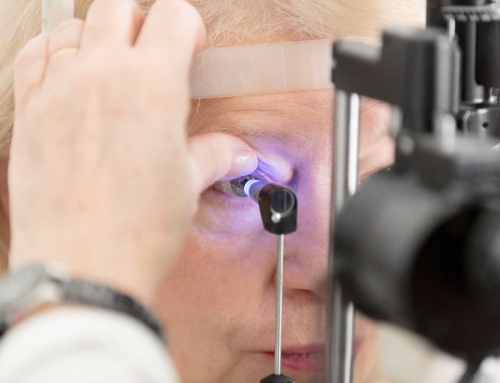
Whether you are scheduling your first eye exam in years or seeking a routine follow-up, an optometrist can assess the health of your crystalline lens, track subtle updates to your visual function, and guide you through personalized care options. An eye exam remains the gold standard for catching early lens changes and keeping your sight clear and comfortable for years to come.